

What’s Wrong With Me?
An Assembling God’s Puzzle video
By Fr. Garry Richmeier, C.PP.S.
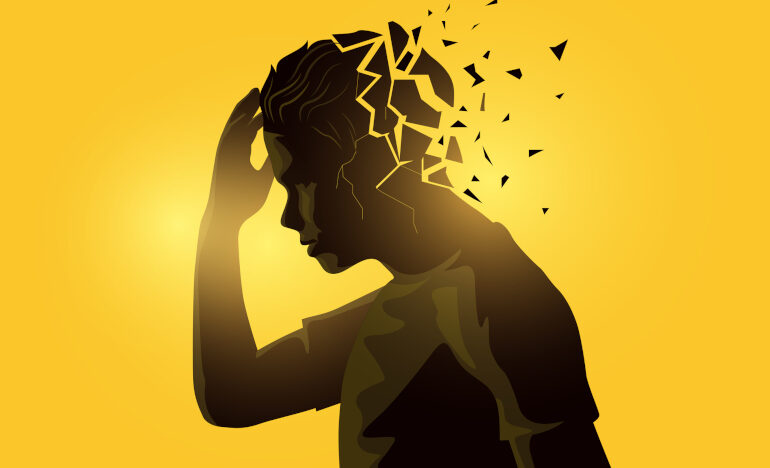
Each of us is a collection of different puzzle pieces that we have to fit together somehow to make a whole, workable human being. Some pieces cause us more problems than others. One of those more problematic pieces is the sometimes loud, and sometimes subtle, nagging thought “There’s something wrong with me.” It is almost as if we are born with this thought as part of our DNA. Then, when we encounter difficult life experiences, this thought is further reinforced as a truth for us, and we are more and more convinced of it.
Biblical writers recognized the existence of this human puzzle piece and wrestled with how to explain its origin. The sin of Adam and Eve is one such attempt. We know the story. Adam and Eve were created by God, placed in the garden of Eden, and told not to eat of the tree of life. Then the serpent appeared and tempted them, and they ate of the fruit.
The traditional view of what sin Adam and Eve committed is the sin of pride — they wanted to be like Gods. But the more subtle message that the serpent was communicating (which it did not say outright) was that there was something missing in Adam and Eve, that they were incomplete, and therefore flawed. He was telling them that God had made a mistake in creating them by leaving out the knowledge of good and evil. And the only way they could be whole, good, and “OK” was to eat of the fruit of the forbidden tree.
So their real sin was really lack of faith or trust in God. The serpent capitalized on that subtle, often hidden voice in them that said “There is something wrong with you.” And thus began the human race’s obsession with trying to correct the perceived mistake God made in making us.
Over the years doing counseling, I’ve heard the many issues and problems which people deal with. It is not an exaggeration to say that most, if not all, the difficulties stem from believing that inner voice that says there is something wrong with them. Since it is not a pleasant question to deal with, people often distract themselves from it by focusing on what is wrong with others, resulting in much harm done to themselves and others.
For example, a woman says her husband doesn’t listen, while he says she doesn’t appreciate what he does for her. The underlying issue is often that each is listening to that voice that says there is something wrong with me since that is what it sounds like my spouse is saying. Or someone is depressed that they got fired, or divorced, or they experienced some other failure. “There must be something wrong with me” they think. Or a narcissistic bully abuses, threatens, and controls others in order to get things to go his way, and creates many enemies. He is deathly afraid that he might be a “loser,” so he goes to the other extreme to prove there is nothing wrong with him, and he does much damage.
If we want to be more at peace with ourselves, less likely to hurt ourselves and others, and freer to care for ourselves and others, we need to deal with that thought that there is something wrong with us. One thing to do is to understand the distinction between “being” and “doing.”
If I make a mistake, that is a “doing.” It does not make me a mistake, which is a “being” idea. Like if I tell a lie (a “doing”), that doesn’t make me a liar (a “being”). We can change what we do, but we can’t change who we are. It is important to understand the importance of this distinction if we’re not to condemn ourselves as a (fill in the negative thing), and believe that is what is wrong with us.
Reflecting on scripture can be helpful. Scripture tells us we are made in the image and likeness of God, which means there is nothing wrong with us. Noticing how Jesus spent time with sinners, people who society said were flawed or broken, is often helpful. Jesus’ actions showed there was nothing wrong with them (or with us).
Cherishing the love and acceptance people in our life have shown us is another way we can partially quiet that negative voice in our heads. That unconditional love we’ve experience can help us believe that we are valuable, not for anything we’ve done, but just because we exist. And there is nothing wrong with us.
Believing that there is something wrong with us is like saying we are a broken machine which can’t work well. That is sad when our “work” is to love ourselves and others. If we can quiet that thought a little, or even change it to “there’s something good about ourselves,” we will be more convinced that this “machine” can function well, and we will be free to do the work of love well.
All of the videos in this series can be found here: Assembly God’s Puzzle.
Never miss an article published on the Renewal Center website: Sign up to receive our newsletters.
[Fr. Garry Richmeier, a Precious Blood priest and spiritual director, holds a Master’s of Divinity Degree from St John’s University in Collegeville, Minnesota, and a Master’s of Counseling Psychology degree from the University of Missouri-Kansas City. He is a licensed professional counselor and a licensed marriage and family therapist.]
Photo ID 139727893 | Broken People © Solarseven | Dreamstime.com and ID 23072848 | Adam And Eve © Perseomedusa | Dreamstime.com— What’s Wrong With Me? — An Assembling God’s Puzzle video
We’d Like to Hear from You!
We’d like to know what you think about this article. Send us a comment using the form below. Do you have a suggestion? Is there something you want to learn more about? Send us a note.
Related

Aging ain’t for wimps!
By Fr. Garry Richmeier, C.PP.S.
One of my mom’s favorite sayings was “Aging is not for wimps.” Aging is a piece of the human puzzle that many don’t like to talk or think about, because they fear the losses that come with it. We can’t stop the aging, but we can lessen the fear.

Take a Fall Prayer Walk with Fr. Ron
By Fr. Ron Will, CPPS
On the official first day of fall, I decided to make my daily walk a “prayer walk” and not just a walk for exercise. Join me on my walk and find inspiration for your own prayer walk, noticing God, by really paying attention to sights and sounds.