

Do You Remember When …
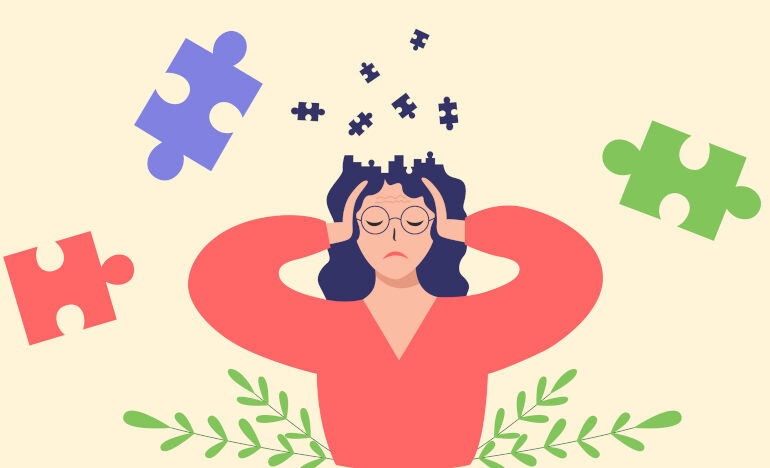
An Assembling God’s Puzzle video
By Fr. Garry Richmeier, C.PP.S.
Memories are part and parcel of being human. Some memories simply enable us to function, like remembering where I put the car keys, or remembering to set the alarm to wake myself up in the morning. Some memories hold much meaning and emotion for us, like remembering my wedding day, or remembering a loved one who has died.
Without the ability to remember, we are severely limited, as is obvious with anyone with Alzheimer’s or another similar dementia. But if we are able to remember, what and how we remember can have a big impact on our mental and emotional health, and can determine our overall satisfaction with life in general. So, figuring out how to situate memories in this puzzle of our life is really important.
Memories have to do with the past. Sometimes we consider the past like a history book. Things happened, and we recorded the events in our brain. And when we need to, we simply thumb through the recorded pages of our experiences and find the memory we were looking for. But it’s not that simple.
First of all, our perception of any event is only a partial picture of what happened, since it is impossible for one person to observe everything about any event. Even when someone writes the history of an event and tries to capture the whole picture, it is still incomplete. Some details are included and some are left out. And history is always written from a certain perspective, often to convey some meaning about what happened.
As an example: Were the people moving west across this country in the 1800s brave pioneers, taming a wild frontier to make this country strong, or were they simply taking land away from the indigenous residents?
And it is a common experience for people to remember a shared experience in totally different ways, remembering the same event with different descriptions. Siblings do this often when remembering shared childhood experiences.
The past is not a thing. It doesn’t really exist. It is gone. What does exist is only our memories of the past. And that’s good news and bad news. The bad news is that our memories are inaccurate and incomplete, due to basic human limitations. And we tend to accompany our memories with our personal biases and attitudes, which further hinders the true accuracy of whatever is remembered. The good news is that since memories are ours, we have some ability to work with them in ways that help us in day to day living. Finding ways to work with memories is crucial if we’re not to let them interfere with living a happy, peaceful life.
One thing that helps in this regard is to take all of our memories with a grain of salt. If I can admit that a particular memory I have may not be absolutely accurate, I may be able to temper an argument I’m having with someone who remembers that event differently. Doing that can keep the argument from damaging the relationship.
Another strategy is to be aware of the difference between the memory and the meaning we place on what happened. This is especially important when remembering feeling hurt by what someone said or did. We tend to automatically intertwine the memory with our interpretation of what happened.
For example, I remember someone saying they didn’t like my homily. That’s the memory. The meaning I put on that is really up to me, unless I get more information on their motivation. I can choose to believe they didn’t hear clearly what I had to say, or that they just dislike me, or that I must not have done it the right way, or so on. The meaning I choose to connect with that memory will determine what emotions I will feel. We may not have much control around choosing a memory, but we do have some control around the meaning we ascribe to it. Understanding the difference is very important for our mental and emotional health.
Memories can also be dangerous if not dealt with. Many soldiers have awful memories of combat, and suffer from Post Traumatic Stress Disorder (PTSD). Sometimes the memories are so painful that a person tries to shut them out of consciousness in some way, often using alcohol, drugs, sex, or some other powerful thing to distract them from the pain. But the memories and the pain don’t go away, and often resurface in flash-backs, depression, or sudden, uncontrollable rages. Anyone who experiences any kind of trauma can be in the same situation. What helps is to go into the memories little by little, often in counseling, acknowledge the pain, find more helpful ways to help relieve the pain, and challenge any unhelpful meaning the person may be placing on the memory, like “I’m a lousy human being because of what happened.”
We can’t do anything about the past. It is done and gone. But we can do something about our memories of the past to make our life better. In the same way, we can’t do anything about (control) the future. But we can do something now about making our lives better in the future. Life is much more pleasant when we keep our focus on what we can do in the present, rather than what we can’t do about the past or the future.
All of the videos in this series can be found here: Assembly God’s Puzzle.
Never miss an article published on the Renewal Center website: Sign up to receive our newsletters.
[Fr. Garry Richmeier, a Precious Blood priest and spiritual director, holds a Master’s of Divinity Degree from St John’s University in Collegeville, Minnesota, and a Master’s of Counseling Psychology degree from the University of Missouri-Kansas City. He is a licensed professional counselor and a licensed marriage and family therapist.]
Photo ID 408371265 | Remembering Concept © Alena Ohneva | Dreamstime.com — Do You Remember When … — An Assembling God’s Puzzle video
We’d Like to Hear from You!
We’d like to know what you think about this article. Send us a comment using the form below. Do you have a suggestion? Is there something you want to learn more about? Send us a note.
Related
Aging ain’t for wimps!
By Fr. Garry Richmeier, C.PP.S.
One of my mom’s favorite sayings was “Aging is not for wimps.” Aging is a piece of the human puzzle that many don’t like to talk or think about, because they fear the losses that come with it. We can’t stop the aging, but we can lessen the fear.
Take a Fall Prayer Walk with Fr. Ron
By Fr. Ron Will, CPPS
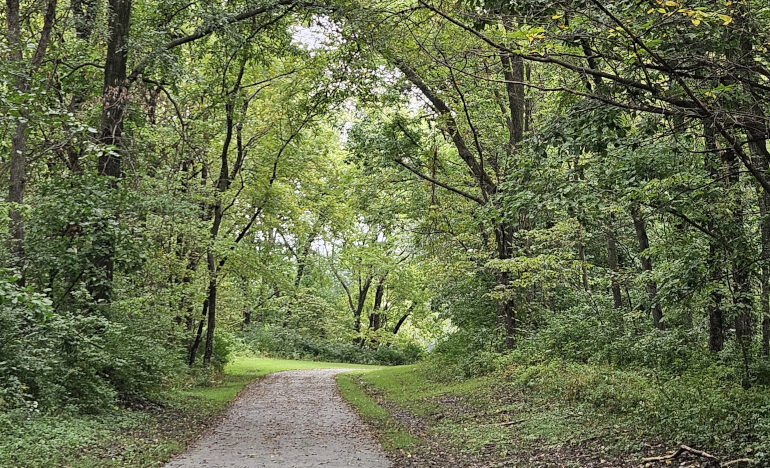
On the official first day of fall, I decided to make my daily walk a “prayer walk” and not just a walk for exercise. Join me on my walk and find inspiration for your own prayer walk, noticing God, by really paying attention to sights and sounds.