

Aging ain’t for wimps!

An Assembling God’s Puzzle video
By Fr. Garry Richmeier, C.PP.S.
One of my mom’s favorite sayings was “Aging is not for wimps.” Aging is a piece of the human puzzle that we’re all aware of, but a piece that many don’t like to talk about or think about. Many of us would rather go on with life pretending that not much will change with time, and we relegate being old to sometime in the far-off future.
This is probably because we are well aware of the challenges inherent in the aging process. We’ve seen parents and grandparents grow old as we have helped them deal with the changes that accompany aging, and we don’t relish being in the same position as they are. And there are numbers of unpleasant experiences which aging brings.
First of all, the body begins to wear out. New aches and pains appear out of nowhere. Physical activity which was easy becomes difficult or impossible. Eye sight gets blurry. Bowels and bladder don’t work as well. Arthritis sets in. The brain struggles to remember the simplest things. We become more susceptible to disease and illness.
Then there is the stress of retirement. A big part of how we identified ourselves and gauged our value to society, our work/career, is now gone. Many people become depressed at this point because it’s difficult for them to hold on to their self-worth. And society does not help in this regard because it basically gauges a person’s value by the person’s economic contributions. So the elderly tend to become invisible and relegated to the fringes of society. That is one reason that the group in society with the highest suicide rate is 60–70-year-old males.
Another aspect of aging that many don’t think about is that we start losing our social network. If we live long enough, we witness our family and friends dying one by one. And since creating new support systems becomes more difficult with age, people can find themselves alone and lonely in old age.
All of these challenges have to do with loss of things we see as parts of ourselves, and it triggers our fears that if we lose enough parts, we will disappear, or become nothing, or become unimportant, or become a burden, or become some other negative thing. We can’t completely avoid losing these things as we age, and we have to figure out how to deal with them. But we can lessen our fear of aging a little, and that can keep us from adding on to the stress.
A major way we can lessen our fear of the losses aging brings is to practice voluntarily letting go of things now. Much of our fear around aging is because we are uncertain what will happen when we have to let go of those things that we’ve always thought were actually “us.” Those things are not really who we are — we are not our physical health, our job/career, our relationships, and so on. We could lose all of those things and still be who we are — valued and precious creations of God. So when we practice letting go of things before old age, and find that it doesn’t diminish who we are, we become less fearful about having to let go of things when we do grow old.
One example of this would be to periodically consciously draw the distinction between one’s self and one’s work. I can remind myself that work is what I do, not who I am.
I can also practice letting go of various conveniences, like driving everywhere, in favor of less convenient things, like walking instead. This is one practice where I learn that I can survive if I have to do without certain conveniences when I’m old. I can practice being more open to new relationships now so that I’ll be more comfortable doing that when I’m old and am losing old friends and family members.
It is said that all of life is a lesson in letting go. We can resist the lesson … or we can embrace the lesson while we’re still young enough to have a choice about getting used to letting go.
Simplifying one’s life is also a good way to practice letting go. This might include things like purposely eating less, buying less, and limiting unnecessary activities.
Sitting alone in prayer, contemplation, or meditation with just one’s self and God is another way of becoming accustomed to what it might be like in old age.
There are many challenges to growing older, but there are some perks also, if we have practiced letting go earlier in life. Some would call it the wisdom of old age. It often appears as a sense of peace and serenity. It comes from having learned what is really important and “worth it,” and what isn’t. And knowing that most everything will pass, there’s only one thing that’s worth it. And that is love.
It is said that all of life is a lesson in letting go. We can resist that lesson, which often means a lot of kicking, screaming, fear, anxiety, depression, and anger. Or we can embrace the lesson while we’re still young enough to have a choice about getting used to letting go. One way or another, we will have to let go of everything. Trusting that then we will still “be us,” and be in God’s hands can make the journey much more peaceful and less painful.
All of the videos in this series can be found here: Assembly God’s Puzzle.
Never miss an article published on the Renewal Center website: Sign up to receive our newsletters.
[Fr. Garry Richmeier, a Precious Blood priest and spiritual director, holds a Master’s of Divinity Degree from St John’s University in Collegeville, Minnesota, and a Master’s of Counseling Psychology degree from the University of Missouri-Kansas City. He is a licensed professional counselor and a licensed marriage and family therapist.]
Illustration ID 121869061 | Aging © Tartilastock | Dreamstime.com — ‘Aging ain’t for wimps!’ — An Assembling God’s Puzzle video
We’d Like to Hear from You!
We’d like to know what you think about this article. Send us a comment using the form below. Do you have a suggestion? Is there something you want to learn more about? Send us a note.
Related
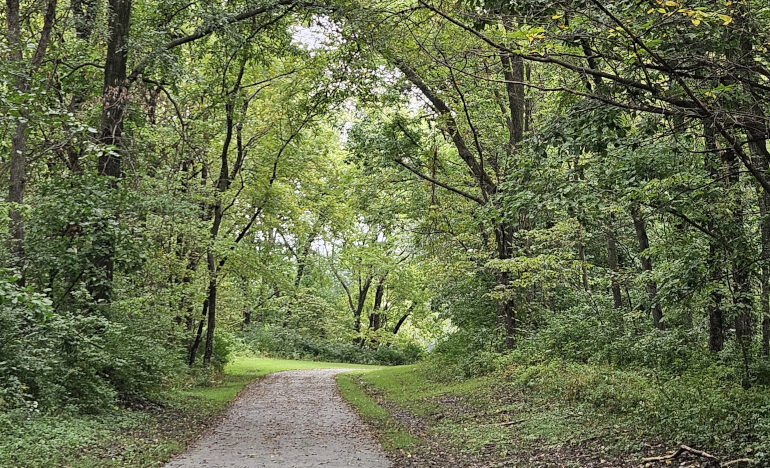
Take a Fall Prayer Walk with Fr. Ron
By Fr. Ron Will, CPPS
On the official first day of fall, I decided to make my daily walk a “prayer walk” and not just a walk for exercise. Join me on my walk and find inspiration for your own prayer walk, noticing God, by really paying attention to sights and sounds.
What is a Silent Directed Retreat? Part 4
Let’s continue to look at prayer, but from an angle you might not expect: Will I be able to pray on retreat? That seems like a silly question, right? Of course, I’ll pray on retreat that’s the whole point, right?